
Differences Between Food-Grade and Industrial-Grade CO2 Cylinders
Many carbon dioxide purchasers mistakenly consider food-grade and industrial-grade carbon dioxide cylinders as interchangeable. While both are superficially used for storing and transporting carbon dioxide, they differ significantly in gas purity, production standards, application scenarios, and certification requirements. Incorrect selection can lead to product quality issues, import obstacles, and even food safety risks.
What are the differences between food-grade and industrial-grade carbon dioxide cylinders?
Food-grade carbon dioxide is typically used in food contact scenarios, such as beverage production, beer brewing, food packaging, and cold chain transportation. To meet food safety requirements, food-grade carbon dioxide needs high purity, with strict control over impurities, moisture, oil, and harmful substances.
Industrial-grade carbon dioxide is mainly used in welding, metal processing, fire-fighting equipment, chemical production, and industrial manufacturing. Although industrial-grade carbon dioxide also has high purity, its quality control standards differ from those of food-grade products.
The two also differ in certification requirements and applicable scope. Buyers first need to clarify their end-use scenario, not just compare prices.
Why can purchasing errors have serious consequences?
Food processing companies that mistakenly use industrial-grade carbon dioxide cylinders may face the following risks:
1. Product quality risks.
In beverage, beer, or food packaging, impurities in industrial cylinders may affect the taste and stability of the product.
2. Compliance risks.
If the product cannot provide food-grade certification, the buyer will face customs inspections, market bans, and customer claims.
3. Brand risks.
For food production companies, a quality incident can damage their brand reputation. In contrast, while using food-grade carbon dioxide in the industrial sector does not pose safety issues, it increases unnecessary procurement costs.
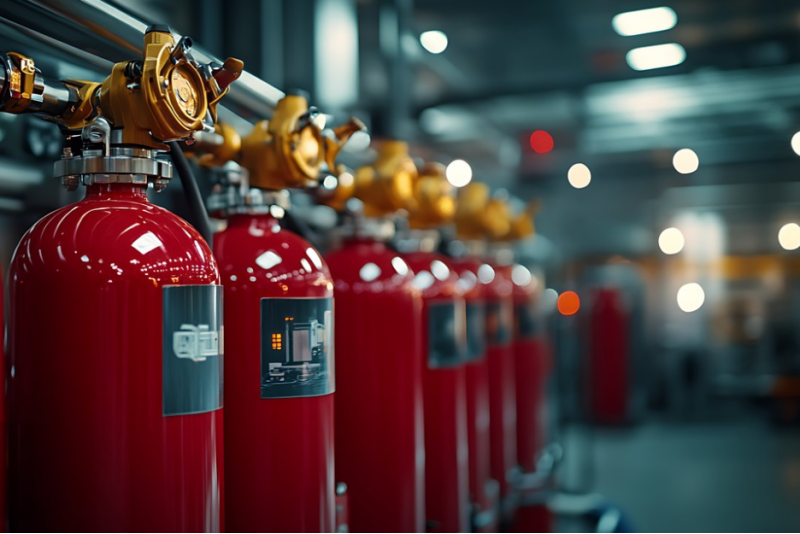
Which industries must use food-grade/industrial-grade CO2 tanks?
1. Beverage manufacturing industry.
This includes carbonated beverages, soda water, sparkling water, and beer brewing. Craft beer, in particular, has even higher requirements for gas purity.
2. Food packaging industry.
Many food products use modified atmosphere packaging (MAP) technology to extend shelf life, and food-grade carbon dioxide is one of the common packaging gases.
3. Cold Chain Transportation Industry.
Some cold chain logistics uses dry ice or liquid carbon dioxide for temperature control.
The following industries typically use industrial-grade carbon dioxide:
MIG welding
MAG welding
Metal cutting
Fire protection systems
Chemical manufacturing
Industrial cleaning
What certifications and documents should buyers check?
1. Product testing reports.
Testing reports reflect gas purity, moisture content, impurity control, and product stability.
2. ISO quality management certification.
Quality management certification demonstrates the supplier's production management capabilities and quality control level.
3. Food safety related documents.
Food-grade products should provide corresponding food safety certificates or testing documents.
4. Gas cylinder inspection certificates.
During procurement, buyers should verify water pressure test records, safety inspection reports, service life information, and periodic inspection status.
5. Export certification documents.
Depending on the target market requirements, this may involve CE, DOT, TPED, EN, and other certifications. For buyers, the difference between food-grade and industrial-grade carbon dioxide cylinders is not merely a technical issue, but also a significant factor affecting product quality, regulatory compliance, and long-term operating costs.
During the procurement process, clearly defining the application scenario, reviewing certification documents, verifying supplier qualifications, and assessing export capabilities are crucial steps in mitigating procurement risks. If you would like to learn more about CO2 tanks, please feel free to contact us.