
What Are the Risks Involved in Transporting Scuba Diving Tanks?
Many people tend to focus primarily on the quality of the scuba diving tanks themselves, while overlooking another equally critical issue: transportation. In reality, for high-pressure diving cylinders, the entire journey from the manufacturing plant to the customer's hands constitutes a vital stage in the product lifecycle. If adequate protective measures are not implemented during transit, even a product that was fully compliant and defect-free upon leaving the factory could harbor latent safety hazards that manifest during subsequent use.
This is particularly true today, as international maritime shipping becomes increasingly commonplace; scuba diving tanks often endure prolonged sea voyages, frequent loading and unloading operations, and exposure to complex environmental fluctuations—all of which can impact the product's overall stability. For reputable manufacturers, transportation is never merely a simple matter of "shipping out goods," but rather an integral component of their comprehensive quality assurance system.
I. Risk of Collision During Transport
Although scuba diving tankrs are classified as high-strength, high-pressure vessels, this does not imply that they can be stacked or handled haphazardly during transit. In fact, collisions between cylinders are a common occurrence during container loading and unloading, forklift operations, and long-distance transportation. If the cylinders are not securely fastened, continuous vibration and impact can easily lead to surface abrasion on the cylinder body, damage to the valves, or even deformation of the connection ports.
The cylinder neck and threaded areas, in particular, are precision-engineered connection points; if subjected to external mechanical forces, they may subsequently suffer from compromised sealing integrity. Some of these issues may not be immediately apparent upon delivery but will gradually surface during the subsequent processes of refilling and actual use.
Prior to exporting its scuba diving tanks, Snowrain develops customized protective packaging solutions tailored to the specific mode of transport. These solutions encompass secure cylinder fastening, anti-collision cushioning, and targeted protection for critical areas, thereby minimizing the risk of impact damage during transit and ensuring that the products arrive at the customer's location in a stable and pristine condition.
II. Risks Associated with High Temperatures and Sun Exposure
Many customers are unaware that, during the summer months, the internal temperature of a shipping container exposed to direct sunlight can soar far above the ambient external temperature. This is particularly true in regions characterized by extreme heat—such as the Middle East, Southeast Asia, and South America—where the interior of a shipping container can reach temperatures as high as 50 to 60 degrees Celsius.
For high-pressure products like scuba diving tanks, temperature fluctuations have a direct impact on the internal pressure dynamics. While reputable manufacturers design their cylinders with ample safety margins to accommodate such variations, prolonged exposure to high-temperature environments during transit nonetheless increases the overall risk profile and can also accelerate the aging process of certain materials used in the product's construction. During the product design phase, Snowrain incorporates safety redundancy measures in strict accordance with international standards for high-pressure vessels. Furthermore, by taking into account the specific transportation environments of various export markets, we provide clients with optimized packaging and shipping recommendations to ensure the product remains stable and secure throughout long-distance transit.
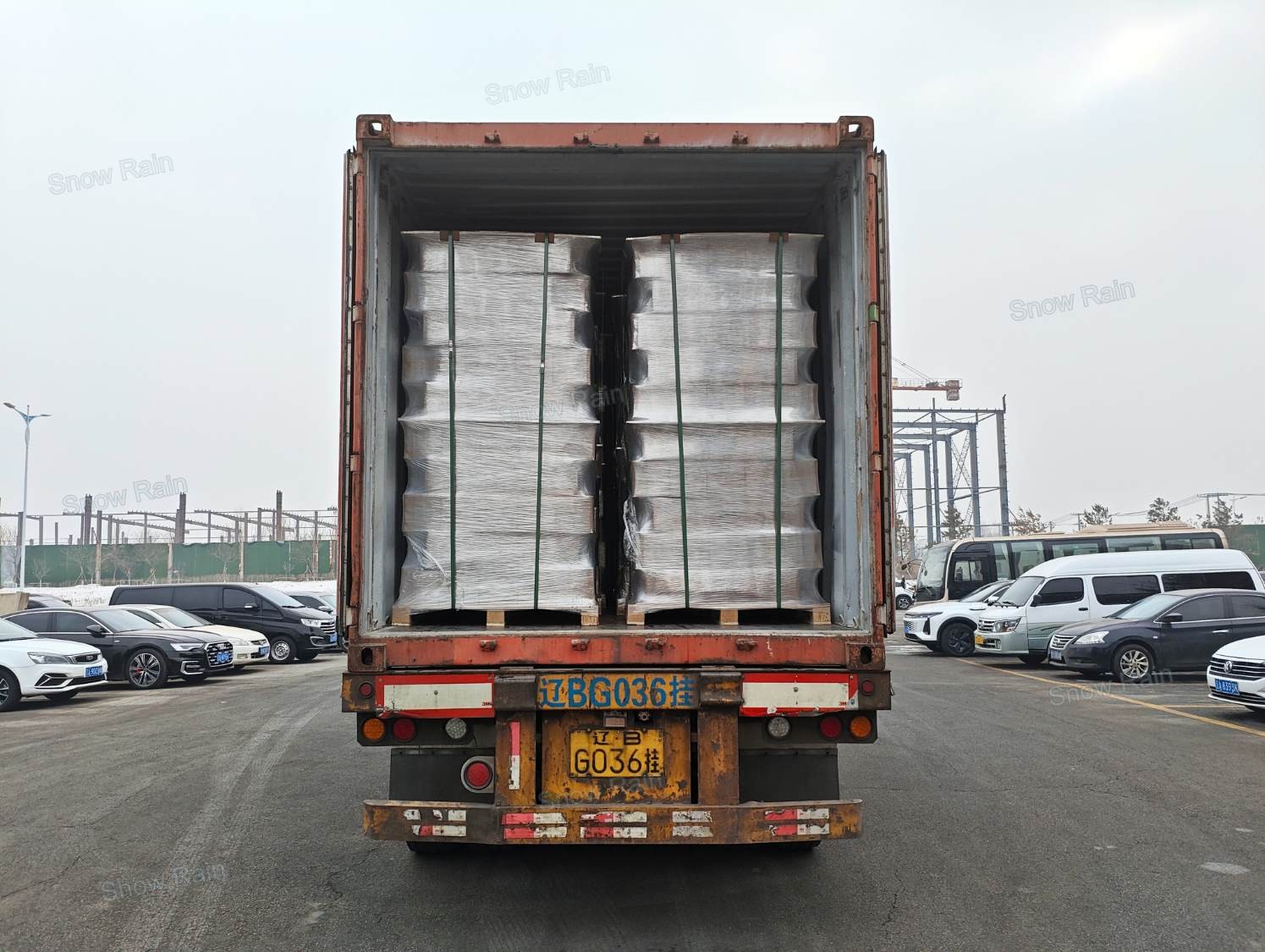
III. Risks of Humidity and Salt Spray Corrosion During Sea Freight
The export of diving cylinders relies heavily on sea freight; however, the defining characteristics of the marine shipping environment are high humidity and salt spray. Prolonged exposure to such conditions—particularly if protective packaging is inadequate—can easily lead to surface oxidation, corrosion, or even premature aging of the cylinder's protective coating.
Traditional steel cylinders are particularly susceptible to degradation in humid environments; consequently, an increasing number of clients are now opting for aluminum alloy diving cylinders. Compared to steel, aluminum alloy inherently possesses superior corrosion resistance, offering greater stability and durability within the demanding environment of long-distance sea transport.
Snowrain utilizes high-strength aluminum alloy materials in conjunction with specialized surface treatment processes to significantly enhance the scuba diving tanks' resistance to corrosion in humid and salt-spray-laden environments. Additionally, we incorporate robust moisture-proofing measures into our export packaging to further mitigate the environmental impact encountered during sea transit.
IV. Risks Associated with Valves and Interfaces
Many transportation-related issues do not manifest directly on the cylinder body itself, but rather concentrate within the valve and interface areas. Given the high-precision engineering required for these components, even minor impacts or abrasions during transit can compromise their subsequent sealing integrity. A particularly troublesome aspect of such issues is that they often go undetected immediately upon delivery; instead, they tend to surface gradually during subsequent refilling or actual operational use—manifesting as subtle air leaks or difficulties in establishing secure connections.
During the factory packaging process, Snowrain places a strong emphasis on reinforcing the protection of the valve and interface areas. Furthermore, we conduct rigorous airtightness testing prior to shipment to ensure that every cylinder is in a stable, leak-free condition before leaving our facility, thereby eliminating potential risks at the source.
V. Risks Related to International Shipping Regulations
As diving cylinders are classified as pressure vessels, their international transportation is subject to a complex web of regulatory requirements. Different countries maintain distinct standards regarding the transport, labeling, certification, and packaging of high-pressure gas cylinders. Failure to comply with these regulations can result in significant complications, such as customs clearance delays, mandated returns to the port of origin, or even outright shipping restrictions. This is particularly true for the European and North American markets, which enforce extremely stringent standards for cylinder certification and transport protocols; consequently, clients in these regions evaluate not only the quality of the product itself but also the supplier's proven expertise in navigating the complexities of international logistics. Snowrain possesses extensive experience in international exports, enabling us to provide standardized packaging, necessary certification documents, and logistical support tailored to the specific requirements of various countries and regions. This expertise helps our clients navigate the international shipping and customs clearance processes with greater ease and efficiency.
A truly reliable supplier offers more than just the ability to manufacture gas cylinders; crucially, they ensure that their products reach the customer safely and securely. As a specialized manufacturer of high-pressure gas cylinders, Snowrain maintains rigorous quality control throughout the entire process—from production to shipment—ensuring that every single diving cylinder is robust enough to withstand the rigors of long-distance transport and years of continuous use.
Contact Us or Visit Our Factory
If you are in search of a dependable scuba diving tank factory, or if you would like to learn more about our international shipping and packaging solutions, please do not hesitate to contact us. We also extend a warm invitation for you to visit the Snowrain factory in person, where you can witness firsthand our manufacturing processes, quality inspection systems, and export packaging protocols. A truly reliable product is not merely manufactured; it must also be delivered safely. Snowrain looks forward to the opportunity to collaborate with you.